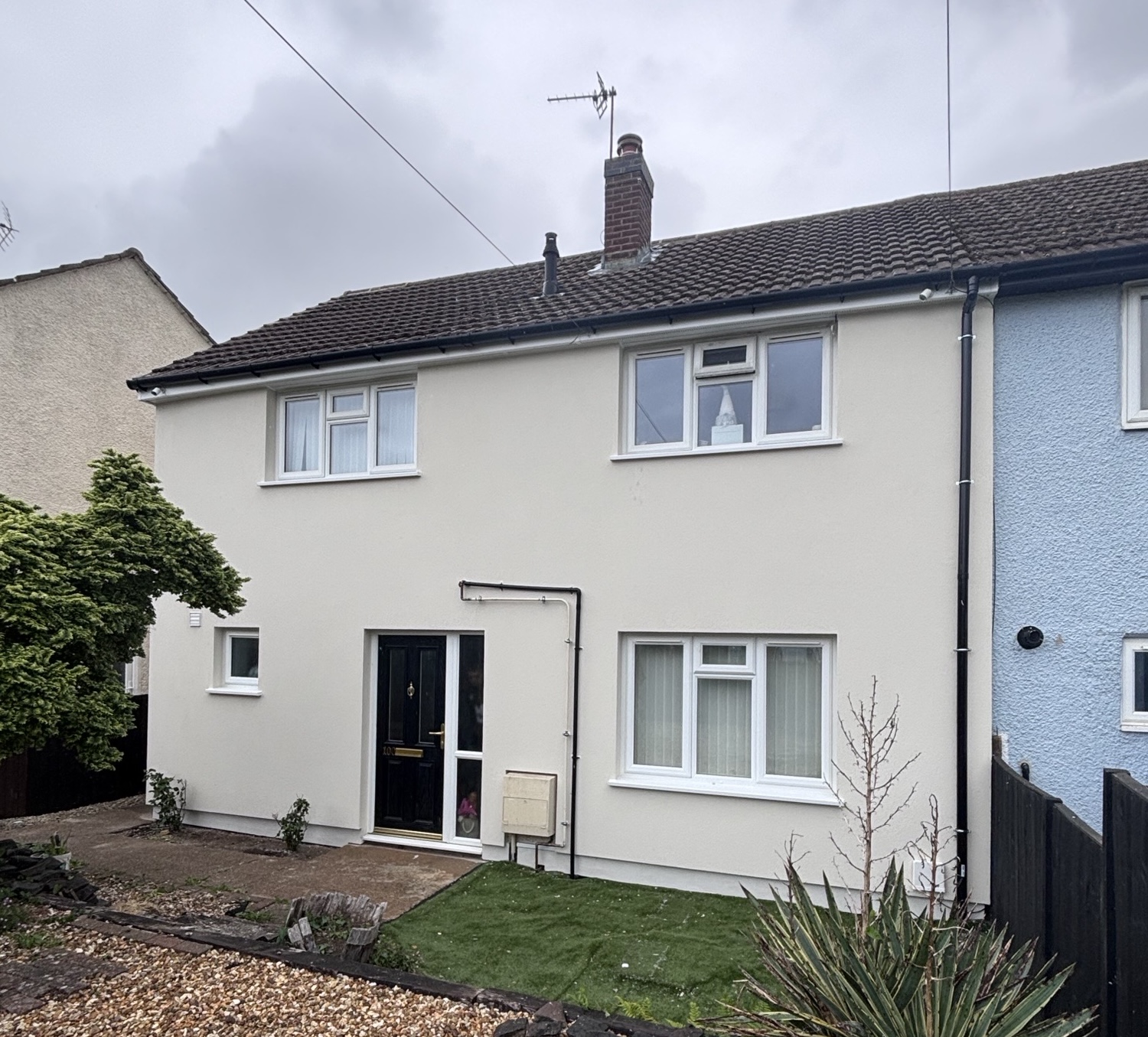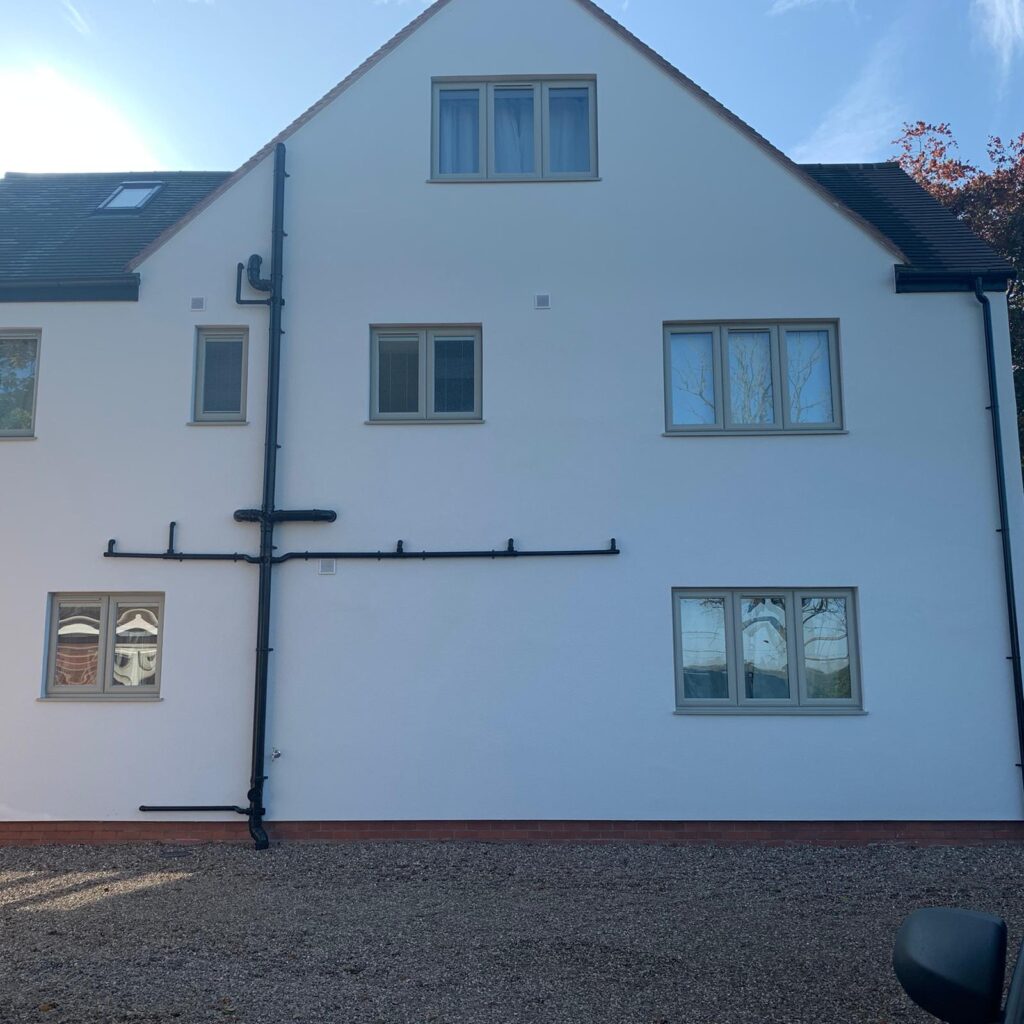
If the exterior of your home is looking tired, dated or damaged, rendering can completely transform its appearance while also providing additional protection to the walls. One of the first questions most homeowners have, however, is simple: how much does house rendering actually cost?
There isn’t a single price that applies to every property. The cost of rendering a house depends on the size and condition of the building, the type of render you choose, accessibility, preparation requirements and several other factors.
Understanding what goes into the overall price can help you budget properly and, more importantly, compare quotations based on the work being provided rather than simply choosing the lowest figure.
What Is House Rendering?
House rendering involves applying a protective and decorative finish to the external walls of a property. It can be used to cover existing brickwork, blockwork or an older rendered surface, depending on its condition and the system being installed.
Rendering is often chosen to improve the appearance of a property. A new finish can make an older home look significantly more modern and provide a consistent appearance where brickwork has become weathered, stained or mismatched.
Modern render systems can also provide valuable protection against the elements and are available in a wide variety of colours, textures and finishes.
However, the materials used and installation process can vary considerably, which is one reason rendering costs aren’t the same for every home.
What Is the Average Cost of Rendering a House?
Rather than relying on a generic national price, it’s better to have your individual property assessed by a professional contractor.
Two houses with a similar floor area could have very different rendering costs.
A straightforward property with walls in good condition and easy access could require considerably less work than a similar-sized home where the existing render needs removing, repairs are necessary and extensive scaffolding is required.
The final quotation may include the render system itself, labour, preparation, scaffolding, reinforcement, beads, waste removal and finishing work.
When comparing quotes, make sure you’re comparing the complete scope of work rather than just the headline price.
The Size of Your Property
Unsurprisingly, property size is one of the biggest factors influencing cost.
A small terraced house will generally require less material and labour than a large detached property. However, contractors don’t necessarily calculate the price based solely on the property’s internal floor area.
The amount of external wall surface being treated is more relevant.
The number of storeys, extensions and other architectural features can all increase the area and complexity of the installation.
A contractor will normally assess or measure the external elevations before providing an accurate quotation.
Your Choice of Render System
Not all render is the same.
There are several different systems available, each offering different characteristics, finishes and price points.
Traditional sand and cement render has been widely used across UK properties, while more modern alternatives include silicone and monocouche systems.
Silicone render is particularly popular because it can provide a modern finish alongside flexibility, breathability and water-repellent properties. Through-coloured systems can also reduce the need to continually repaint the exterior.
The most appropriate system shouldn’t necessarily be determined by which product has the lowest initial cost. Compatibility with the building and the performance you require are more important considerations.
The Condition of Your Existing Walls
Preparation can make a substantial difference to the total cost.
Render needs a suitable surface if it is going to perform correctly. If the existing walls are already in good condition, preparation may be relatively straightforward.
Older or damaged properties can require considerably more work.
Loose existing render may need removing, cracks may require investigation and repair, and damaged areas of masonry may need attention before the new system can be installed.
Simply covering defects with new render isn’t a good solution. Any underlying problems should be identified and appropriately addressed first.
While additional preparation increases the initial cost, it can be essential for achieving a durable finished result.
Does Scaffolding Affect the Price?
For many house rendering projects, scaffolding will be necessary.
The contractor needs safe and appropriate access to the elevations being worked on, particularly on two-storey or taller properties.
Scaffolding costs will vary according to the size and shape of the property, the number of elevations being rendered and how straightforward the building is to access.
Properties with conservatories, extensions, narrow side passages or unusual layouts can require more complicated scaffolding arrangements.
When receiving a quotation, check whether scaffolding is included in the total price or will be charged separately.
Location Can Influence Rendering Costs
Where you live can also affect the amount you’ll pay.
Labour rates and operating costs vary around the country, while the availability of experienced contractors can also influence local pricing.
If you’re looking for Rendering Coventry services, for example, obtaining a detailed property-specific quotation will give you a far more useful figure than relying on a broad UK average found online.
Local contractors can assess the building itself, access requirements and the amount of preparation necessary before giving you an accurate cost.
Choosing an Experienced Contractor
Price is obviously important, but it shouldn’t be the only consideration when choosing who will work on your home.
A professional rendering installation requires correct preparation, careful detailing and an understanding of the products being used.
Experienced Renderers Coventry homeowners are considering should be able to explain the proposed system, preparation work and installation process clearly before work begins.
It’s worth asking what is included within the quotation and looking at examples of previous installations.
A cheaper quotation can quickly become poor value if corners are cut during preparation or inappropriate materials are used.
Can Rendering Be Combined With Insulation?
If you’re already planning substantial work to the exterior of your property, it may be worth considering whether improving its thermal performance at the same time would be beneficial.
One option is EWI, where insulation is installed to the outside of the existing walls before a protective reinforced system and final finish are applied.
This is a considerably different project from simply applying a decorative render, so the costs shouldn’t be compared directly.
Adding insulation increases the scope of work and initial investment, but the objective also changes. Instead of primarily upgrading the appearance and external finish, you’re making improvements to the thermal performance of the building envelope.
Understanding External Wall Insulation
Properties with solid walls or certain other construction types may be suitable for External Wall Insulations as part of a wider energy-efficiency upgrade.
The system typically involves installing insulation boards externally, followed by reinforcement and a finished rendered surface. As a result, homeowners can achieve both a visual transformation and an improvement to the building’s thermal envelope as part of the same project.
Suitability should always be properly assessed because buildings differ in their construction, condition and ventilation requirements.
A whole-house approach is particularly important when carrying out significant energy-efficiency improvements.
What Other Factors Can Increase the Cost?
Rendering prices can also be affected by the complexity of the property.
A simple, uninterrupted wall is generally quicker to work on than an elevation containing numerous windows, doors, pipes, vents and architectural features.
Details around openings need to be finished correctly, while external fixtures may need removing and reinstalling.
Other factors can include:
- The number of elevations being rendered
- Difficult access
- Removal of existing coatings
- Repairs to the substrate
- Decorative features
- Choice of colour and finish
- Scaffolding requirements
- Waste removal
- Additional detailing around windows and doors
This is why accurate rendering quotations normally require an assessment of the actual property.
Should You Choose the Cheapest Rendering Quote?
Not automatically.
It’s sensible to obtain more than one quotation, but make sure each contractor is pricing the same specification.
One quote might include scaffolding, extensive preparation and a complete render system, while another apparently cheaper price may exclude some of those elements.
Ask for a clear breakdown of what is included.
You should also consider the contractor’s experience, previous work and the quality of the proposed system.
Rendering forms the external finish of your home and is expected to withstand years of exposure to changing weather conditions. Quality installation is therefore particularly important.
Are There Any Ongoing Maintenance Costs?
Modern render systems can be relatively low maintenance, but no exterior finish is completely maintenance-free.
Over time, dirt and organic growth can accumulate, particularly on shaded elevations or homes surrounded by trees and vegetation.
Occasional cleaning can help maintain the appearance of the finish.
It’s also sensible to inspect rendered walls periodically. If damage does occur, dealing with a small issue promptly can help prevent it from becoming a more substantial repair.
The maintenance requirements will vary according to the render system used and the property’s location and exposure.
Is House Rendering Worth the Investment?
Rendering can provide a dramatic improvement to a property’s appearance.
For homeowners dealing with unattractive brickwork, deteriorating existing finishes or mismatched elevations following previous alterations, a new render system can create a clean and consistent exterior.
It can also provide an opportunity to address existing defects and consider whether wider energy-efficiency improvements would benefit the property.
Ultimately, value isn’t simply about achieving the cheapest possible installation. It’s about selecting an appropriate system, preparing the property correctly and ensuring the work is completed to a professional standard.
Get an Accurate Quote for Your Property
So, how much does house rendering cost?
The most accurate answer will always depend on your individual home.
Property size, wall condition, render choice, preparation, access and scaffolding can all affect the final figure. That’s why a professional assessment is the best way to understand the likely investment before making a decision.
At Render Right Renewables, we provide professional rendering and energy-efficiency solutions tailored to individual properties. Our team can assess your home’s exterior, discuss suitable systems and finishes, and provide a quotation based on the work your property actually requires.
If you’re considering transforming the exterior of your home, get in touch with Render Right Renewables to discuss your project.