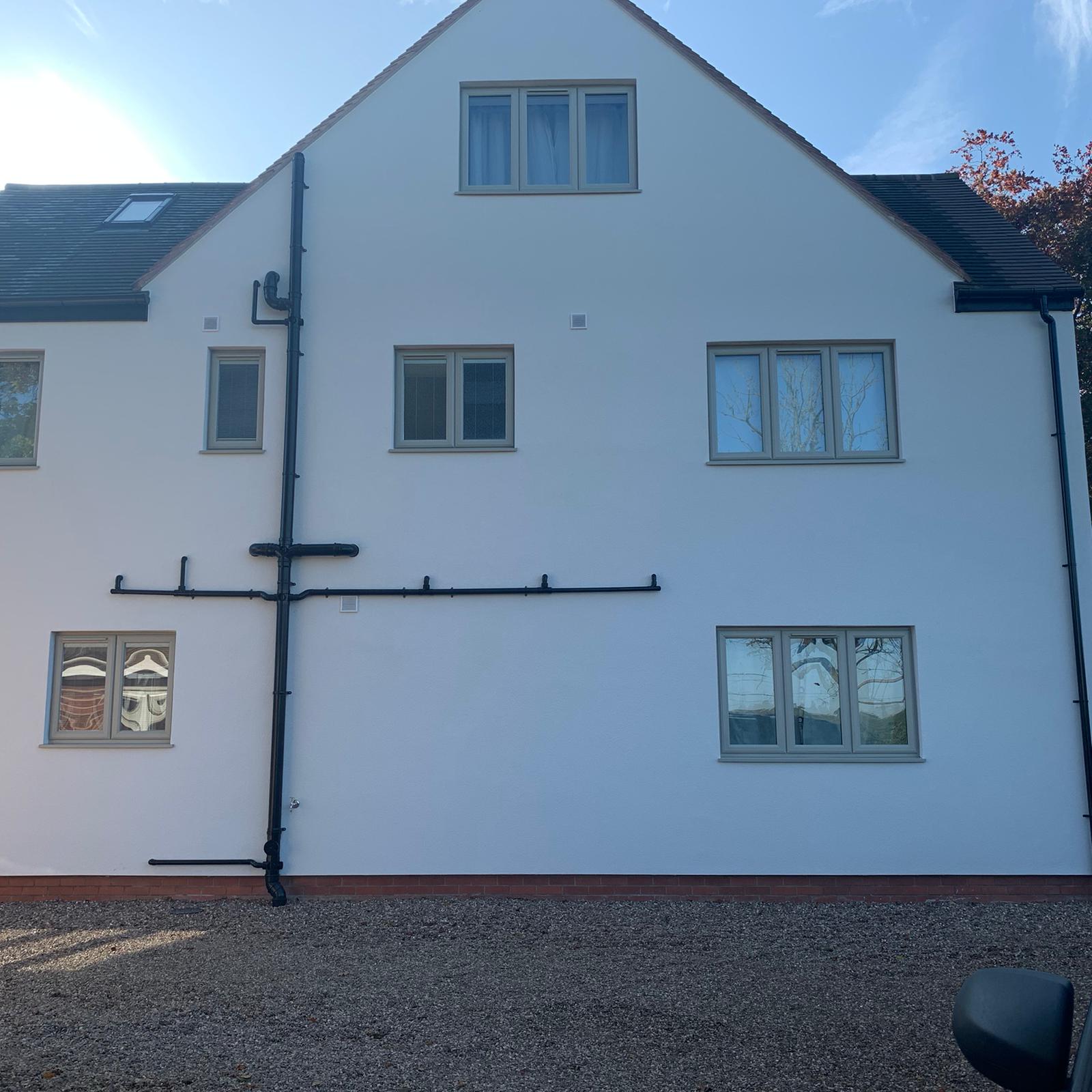
Rendering can completely transform the appearance of a property while providing an important additional layer of protection to its exterior walls. Whether you’re renovating an older home, dealing with tired or damaged brickwork, or simply looking for a cleaner and more contemporary finish, rendering can be a worthwhile investment.
However, there is more to rendering a home than choosing a colour and applying a new finish. Different render systems offer different benefits, the existing condition of the walls needs to be considered, and good preparation is essential if you want the finished result to look great and perform well for years to come.
Before deciding whether rendering is right for your property, it helps to understand how the process works, the different options available and what you should expect from a professional installation.
What Is House Rendering?
Rendering involves applying a specialist coating to the external walls of a property. Once completed, it creates a new external surface that can improve the appearance of the building while helping protect the underlying walls from exposure to the elements.
Render has been used on British properties for generations, although the products and systems available today are considerably more advanced than traditional sand and cement finishes.
Modern renders can offer increased flexibility, water resistance, breathability and a much wider choice of colours and textures. This allows homeowners to select a finish that complements the style and age of their property rather than simply covering the existing brickwork.
Rendering shouldn’t be confused with External Wall Insulation, although the two are often installed together. A standard render system primarily provides an external finish and protection, whereas an insulation system adds a layer of insulating material to improve the thermal performance of the walls before the final rendered finish is applied.
Why Do People Choose to Render Their Homes?
Appearance is one of the most obvious reasons.
Older brickwork can become stained, weathered or inconsistent after decades of exposure. Previous alterations can also leave a property with different bricks, blocked-up openings or areas of repair that are difficult to disguise.
Rendering creates a consistent finish across the exterior and can dramatically change how a property looks.
But appearance isn’t the only consideration. A suitable render system can provide additional protection against weather exposure and help protect the underlying building fabric.
Homeowners may therefore choose rendering as part of a larger renovation rather than purely as a cosmetic improvement.
What Types of Render Are Available?
One of the biggest decisions you’ll make is which type of render to use. There isn’t a single system that’s best for every property, so the condition of the building, desired appearance, budget and required performance should all be considered.
Silicone Render
Silicone render has become an increasingly popular option for modern homes and renovation projects.
It provides an attractive finish while offering excellent water resistance and breathability. Its water-repellent characteristics can also make the surface relatively low maintenance.
Another advantage is flexibility. Buildings naturally experience small amounts of movement, and a more flexible modern render can be less susceptible to cracking than some traditional alternatives.
Silicone systems are also available in numerous colours, removing the need to repeatedly paint the exterior to maintain its appearance.
Monocouche Render
Monocouche is a through-coloured render typically applied in a single main coat.
It can create a clean, uniform appearance and is available in various colours. Because the colour runs throughout the material rather than simply being painted onto the surface, minor marks may be less noticeable than they would be on some painted finishes.
Traditional Render
Traditional sand and cement rendering remains an option for certain properties.
It can create a strong external finish, but it generally requires painting after installation and may need more ongoing maintenance than newer through-coloured systems.
The suitability of traditional render depends heavily on the property and the existing wall construction.
How Is Rendering Applied?
Professional rendering starts long before the final coat goes onto the wall.
The existing surface first needs to be inspected. Loose materials, dirt, failing coatings and other defects may need to be removed or repaired before work can continue.
Preparation is extremely important. Applying high-quality render over an unsuitable or poorly prepared surface can result in problems later.
Depending on the chosen system, preparation may include cleaning, repairing cracks, applying primers, installing beads around corners and openings, and creating an appropriate base for the render.
Base coats and reinforcing mesh may then be incorporated before the decorative finish is applied.
Every stage contributes towards the appearance and durability of the finished wall.
Can Rendering Improve Energy Efficiency?
Rendering alone shouldn’t be considered a substitute for insulation.
A standard decorative render system doesn’t provide the same thermal improvement as a dedicated insulation measure. However, rendering projects can present an ideal opportunity to consider the overall energy efficiency of the property.
If scaffolding is already being installed and extensive work is planned for the external walls, it can make sense to investigate whether additional energy-efficiency improvements should be undertaken at the same time.
Depending on the construction of the home, this might include Cavity Wall insulation, improvements to the external walls or measures elsewhere in the building.
The right approach will depend on the individual property, so professional assessment is important before deciding which improvements are appropriate.
What About Insulating the Rest of the Home?
Walls are only one part of a property’s overall thermal performance.
Heat can escape through walls, roofs, floors, windows and areas where different parts of the building meet. Improving one element can be beneficial, but considering the property as a whole can often produce better results.
For example, Loft insulation may be another important consideration for homeowners trying to reduce unwanted heat loss and improve overall energy efficiency.
This doesn’t mean every home needs every possible measure. Instead, improvements should be appropriate to the construction, condition and existing performance of the property.
Will Rendering Change the Appearance of My Home?
Absolutely – and that’s one of its biggest advantages.
Rendering can make a dated exterior look considerably more modern without requiring major structural alterations.
Colour is particularly important. Neutral shades such as white, cream and grey remain popular, while homeowners looking for something different can choose from a much broader range of contemporary colours.
Different textures can also change the overall character of the property.
Before choosing, consider neighbouring properties, existing windows and doors, roofing materials, gutters and architectural features. The best finish should work with the property rather than looking like an afterthought.
Does Rendering Require Planning Permission?
For many homes, rendering can be completed without making a full planning application, but there are exceptions.
Different rules may apply if the property is listed, situated within a conservation area or subject to other local restrictions. Significant changes to the appearance of a building can also require additional consideration.
It’s therefore sensible to check before work begins rather than assuming permission isn’t necessary.
A professional rendering contractor should also be able to discuss any obvious considerations during the initial assessment.
How Long Does Rendering Take?
There isn’t a universal timeframe because every property is different.
The size and design of the house, existing wall condition, chosen render system, amount of preparation required and weather can all influence the installation schedule.
Scaffolding may need to be erected before work begins, followed by surface preparation and repairs.
The render system is then installed in the required stages, with appropriate drying or curing periods allowed between them.
Weather is particularly important. Professional installers won’t simply apply products in unsuitable conditions to meet a deadline, as temperature, rain and other environmental factors can affect the finished result.
How Long Does House Render Last?
A professionally installed modern render system can provide a durable finish for many years, although lifespan depends on the system, installation quality, exposure and maintenance.
No exterior surface is completely maintenance-free.
Over time, rendered walls may accumulate dirt or organic growth, particularly in shaded areas or locations surrounded by vegetation. Occasional cleaning can help maintain the original appearance.
Small areas of damage should also be investigated rather than ignored. Addressing a problem early is usually preferable to allowing it to develop.
What Are the Signs Your Property May Need Rendering?
Not every tired-looking wall needs to be rendered, but there are several reasons homeowners consider it.
These can include:
* Weathered or unattractive brickwork
* Existing render that is badly deteriorated
* Cracks or damaged external finishes
* Mismatched brickwork following previous alterations
* A desire to modernise the property
* External renovation as part of a wider refurbishment
Cracks and damp problems should always be properly investigated before they’re covered. Render should never be used simply to hide an underlying defect.
Identifying and resolving the cause first helps ensure the new finish performs correctly.
Choosing a Professional Rendering Contractor
Installation quality has a major influence on the final result.
Rendering requires considerably more skill than simply applying material to a wall. Correct preparation, appropriate products, detailing around windows and doors, reinforcement and finishing techniques all contribute to long-term performance.
When choosing a contractor, look at their previous projects and experience with the system you’re considering.
Homeowners searching for Rendering Coventry services, for example, should consider workmanship and relevant experience rather than automatically selecting a company based solely on price.
A professional contractor should be willing to discuss the proposed system, explain the installation process and assess the condition of the property before work begins.
Is Rendering Worth It?
For the right property, rendering can be an excellent investment.
It can completely refresh an ageing exterior, provide additional protection to the underlying walls and create a finish that’s much easier to maintain than deteriorating or inconsistent brickwork.
The key is choosing the right system and having it installed properly.
Rather than viewing rendering purely as a cosmetic project, homeowners should use the opportunity to consider the condition and performance of the entire external envelope. This ensures any existing issues are identified before work starts and allows other appropriate improvements to be considered at the same time.
Getting Your Home Ready for Rendering
Before installation begins, your contractor should inspect the property and explain any preparation that’s required.
Homeowners may need to move garden furniture, plant pots and other items away from the walls to provide sufficient working space. External fixtures may also need to be temporarily removed or carefully worked around.
Good communication before the project begins makes the installation considerably smoother.
It’s also worth discussing colours and finishes early rather than making a rushed decision once work has started. Render is designed to last, so choose something you’ll be happy to see every day for years to come.
Transforming Your Home with Render Right Renewables
Rendering can deliver one of the most noticeable transformations you can make to the outside of your home.
From refreshing tired brickwork to creating a modern, low-maintenance exterior, today’s rendering systems offer homeowners a combination of appearance, protection and long-term performance.
The most important step is making sure the system is suitable for your property and installed correctly from the beginning.
At Render Right Renewables, we deliver professional rendering and energy-efficiency solutions tailored to individual properties. Our experienced team can assess your home, discuss the available finishes and help you choose a solution that delivers the appearance and performance you’re looking for.
If you’re considering rendering your property, get in touch with Render Right Renewables to discuss your project and discover what’s possible.